
Who's Clearing the Way on Your Team?
Oct 15, 2026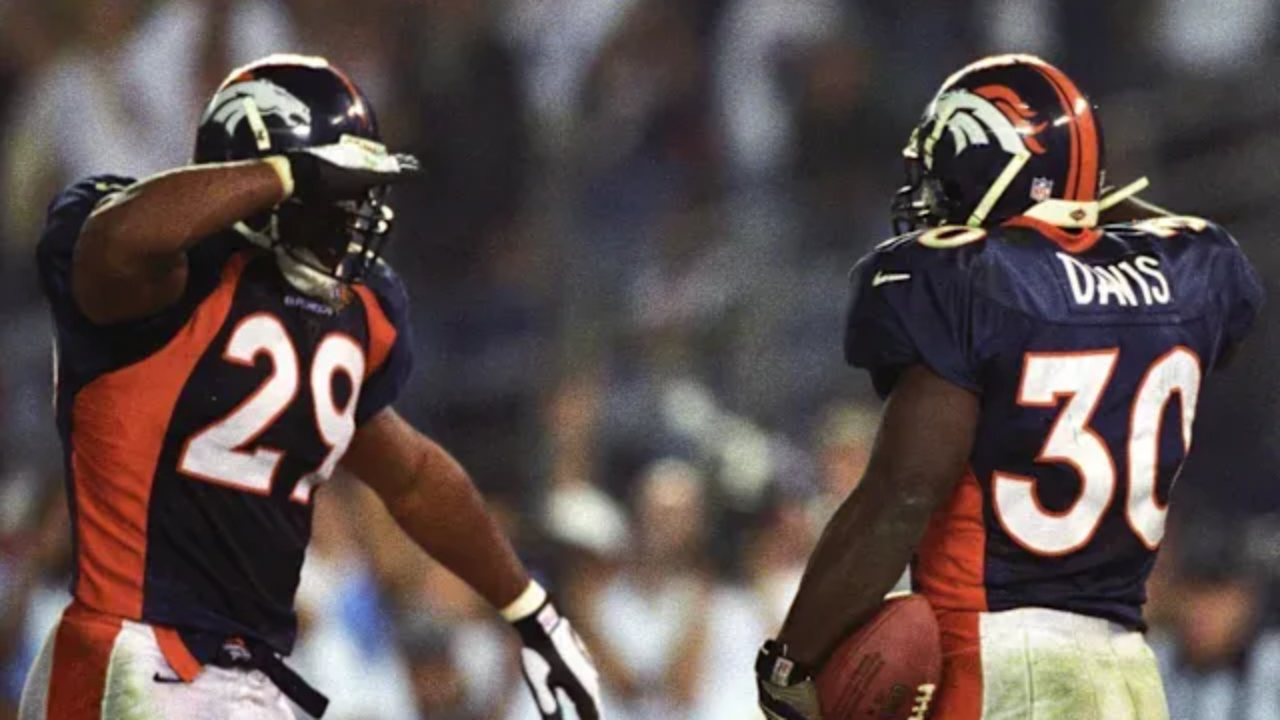
People see the touchdown. Inside the meeting room, you see everything that made it possible.
That’s something playing fullback taught me.
I scored eight touchdowns in a college football game. I know what it feels like to have the ball in your hands and your name attached to the result. But some of the most important work I did in the NFL was blocking for somebody else.
When you’re playing in front of Terrell Davis or Jerome Bettis, you have to understand the defense, know where your block fits, and get there on time. Miss your assignment, and a great running back can get tackled before he has a chance to do anything.
The fans may never notice your block. The people in that meeting room will.
They’ll also notice when you miss it.
That’s an important part of this conversation. Working outside the spotlight carries real responsibility. Somebody is depending on you. How well you prepare and execute affects what they’re able to do.
You don’t have to be the person everyone watches to be someone the team depends on.
I’ve carried that lesson with me beyond football.
On television, you see us sitting at the desk. You don’t see everyone working to get us ready and get the show on the air. I have a responsibility to prepare and do my part. So do they. Being on camera doesn’t mean my contribution is the only one that matters.
The same thing happens in your organization.
You know who made the sale. Do you know who solved the problem that kept the customer?
You know who delivered the presentation. Do you know who caught the mistake in the numbers before the meeting?
Then there’s the person everybody calls when something needs to get done. The one who follows through, helps a new employee, or handles a problem before it reaches your desk.
When somebody is that dependable, it becomes easy to assume they’ll always take care of it. You stop asking how much time it takes or what else they’re carrying.
If you lead that team, you need to know.
When I joined Denver in 1997, I wanted to help us win a Super Bowl. That meant taking my role seriously, whether I was getting the ball or clearing a path for someone else.
In Super Bowl XXXIII, I scored two rushing touchdowns. I’m proud of those touchdowns. I also understand how many people had to execute their assignments for me to get into the end zone.
When you spend so much time blocking for somebody else, you know better than to believe you scored by yourself.
That’s part of what I mean by the fullback mentality.
Understand what the team needs from you. Prepare to do it well. Take responsibility for your assignment, and respect the people doing theirs.
That applies to everybody. Your best player still has assignments. Your highest producer still has responsibilities to the people around them. And the leader has to hold everyone to that standard.
You can’t ask people to commit to a team while acting as though their contribution is replaceable.
Commitment goes both ways. If someone consistently does what you ask, you owe them clear expectations, honest feedback, and the support to do the job well.
You also need to recognize when being dependable has turned into carrying too much. Giving your best people every difficult assignment can wear them down. Ask what they need, and listen to the answer.
I took pride in blocking. I wanted my teammates and coaches to know they could count on me. Their trust mattered.
People in your organization want to know that you understand their work, too. They shouldn’t have to wait until something goes wrong to find out whether you’ve been paying attention.
Think about your team’s last success. Can you explain who made it possible beyond the person who got the most attention?
If you can’t, spend some time with the people doing the work. Find out what they handle, what gets in their way, and where they need help. Then follow through.
Looking back on 11 seasons in the NFL, I measure my contribution by more than the times I carried the ball. Did I know my assignment? Did I execute it? Could the people beside me trust me to do it again?
Those are questions I still ask myself.
And if you’re leading a team, you ought to know who’s clearing the way.
